
Buying a Business With Real Estate: Plan the Financing
How established buyers can compare combined and separate financing for an operating business and its premises, with consistent cash flows and closing conditions.
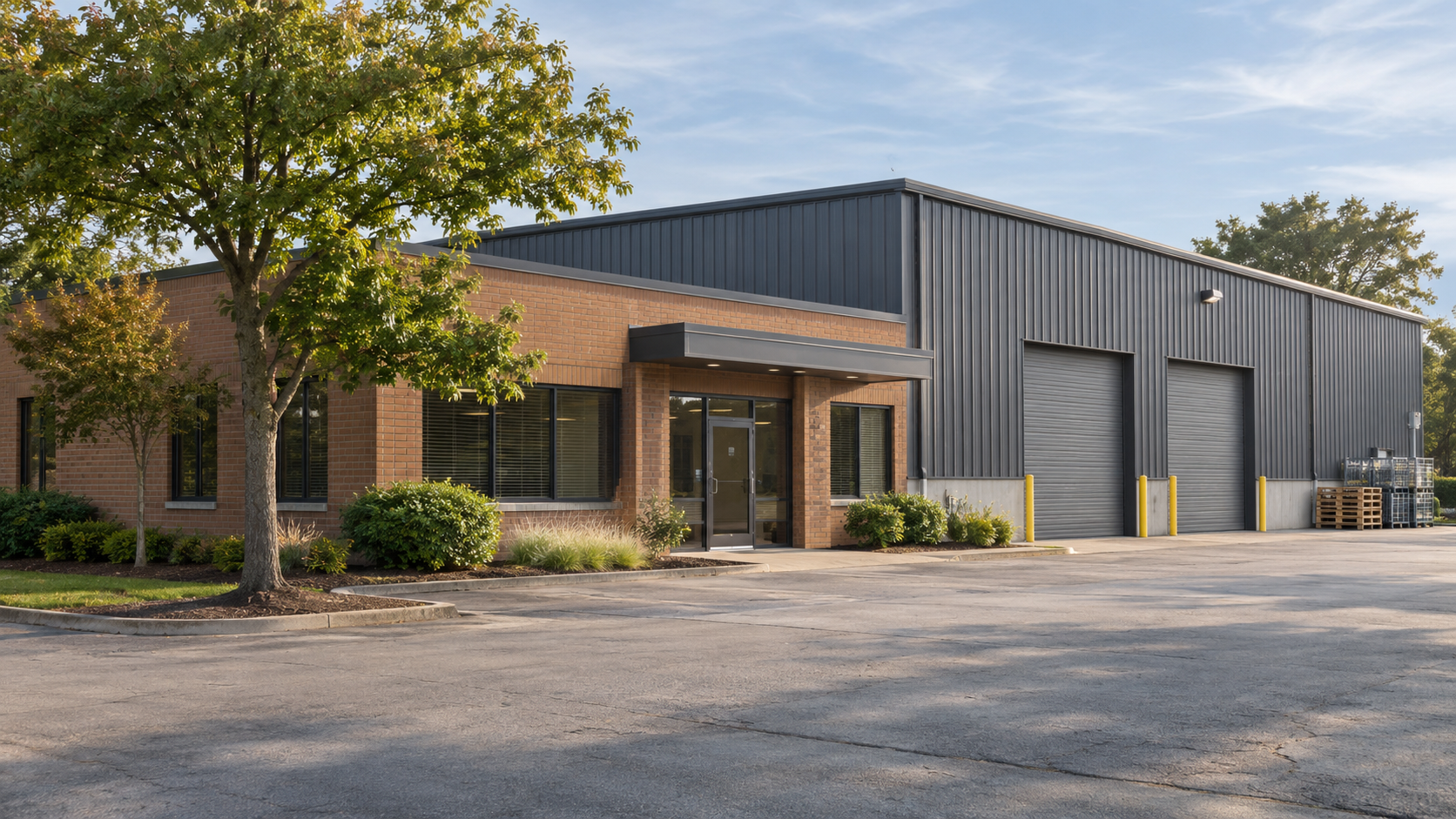
An acquisition can include two valuable assets: an operating business and the property it occupies. Buying both may secure a location that is difficult to replace, but it also commits financing capacity to the building as well as the business.
When buying a business with real estate, compare the full transaction before choosing a loan. A combined facility and separate business and property loans can produce different cash requirements, repayment schedules and closing dependencies. The useful question is which arrangement supports the acquisition and leaves the operation able to perform after the seller exits.
Separate the business purchase from the property purchase
Ask for a clear account of what the proposed price includes. Identify the operating assets or ownership interests being acquired, the real estate, any existing debt to be repaid, and costs outside the purchase price. Confirm which inventory, receivables and cash transfer with the business.
A negotiated package price does not establish how much financing each component can support. A property appraisal addresses the real estate; it does not establish the value or repayment capacity of the operating company. Ask the providers which valuations they require and how those results affect the proposed structure. Have transaction advisers reconcile the financing assumptions with the purchase documents and appropriate allocation of the price.
Keep opening liquidity visible alongside both purchases. Our acquisition financing and working-capital guide explains why assets transferred with a business are different from cash available to operate it.
Compare one combined facility with separate financing
An eligible SBA 7(a) request may accommodate several uses in one transaction. The SBA lists changes of ownership, real estate, working capital and multiple-purpose loans among permitted uses. That makes a combined request worth exploring; it does not establish that every expense or acquisition qualifies. SBA: 7(a) loans.
A business acquisition loan paired with commercial property financing may allow each facility to reflect its particular assets and repayment needs. Compare that structure with a combined proposal using the total cash contribution, total payments, fees and conditions. Separate loans do not necessarily mean independent collateral or guarantees. Ask what each provider requires and whether the arrangements can work together.
For a qualifying fixed-asset component, SBA 504 financing may also merit discussion with a Certified Development Company and senior lender. The SBA expressly excludes working capital and inventory from 504 proceeds, so those needs require another funding source. Do not assume financing the building also funds the remaining acquisition. SBA: 504 loans.
Request the actual repayment schedule for each proposal. Including real estate does not, by itself, tell you the term available for the entire transaction. Review any final balance, early repayment conditions and restrictions on a future property sale or business restructuring.
If you are evaluating a combined purchase, submit the acquisition outline to Sussex Capital. Share the business and property prices, intended use of the premises and target closing date. Initial figures are enough to begin discussing potential structures while the transaction develops.
Rebuild occupancy costs for the buyer
The seller may own the building separately and charge rent to the operating company. Buying both does not turn that rent into an equal amount of free cash. The buyer must account for property financing, taxes, insurance, maintenance and any near-term repairs, without duplicating costs already paid by the business.
The OCC's commercial real estate handbook explains that owner-occupied property debt usually depends on cash generated by the occupying business. It also highlights the need to examine related-party rent used in property valuation. A valuable building and a profitable company still need a consistent repayment analysis. OCC: Commercial Real Estate Lending.
Have the accountant and providers reconcile the business and property cash flows under the proposed ownership structure. An internal rent payment should not become a second source of cash when the finances are viewed together. Test all proposed debt payments against earnings and occupancy expenses that will actually remain after closing.
Make the two closings work together
Business acquisition review and property review can progress at different speeds. The business terms may be settled while an appraisal, title issue, inspection or environmental question remains unresolved. Identify which conditions affect each financing source and whether one funding depends on the other purchase completing.
Ask the transaction team what happens if only one side is ready. Is the buyer willing and able to acquire the company before the property, and under what occupancy arrangement? Would a delay change deposits, financing commitments or the seller's obligations? Have counsel address those possibilities in the documents rather than relying on an assumed closing sequence.
The wider owner-occupied property financing guide covers ownership costs and property considerations. In a combined acquisition, connect that review to the operating-business transfer.
Decide whether owning both serves the acquisition
If buying the building consumes too much cash or borrowing capacity, consider whether acquiring the company and leasing suitable premises is commercially workable. Location security, lease terms and the seller's willingness all matter. A later property purchase should remain an option to assess, not a promised refinancing outcome.
Sussex Capital is a commercial finance brokerage and private credit intermediary serving established U.S. businesses. We help identify potential structures, organize business and property information, and coordinate provider review. Explore our commercial financing solutions, or start a financing request for your combined acquisition. Bring the opportunity and the terms currently available; the goal is to assess the two purchases as one operating decision.
Sources & further reading
Put your financing plans into motion
Tell Sussex Capital about your established business, how much capital you need, and what you want it to accomplish.
Start your applicationFinancing is subject to provider review, eligibility, and terms.