
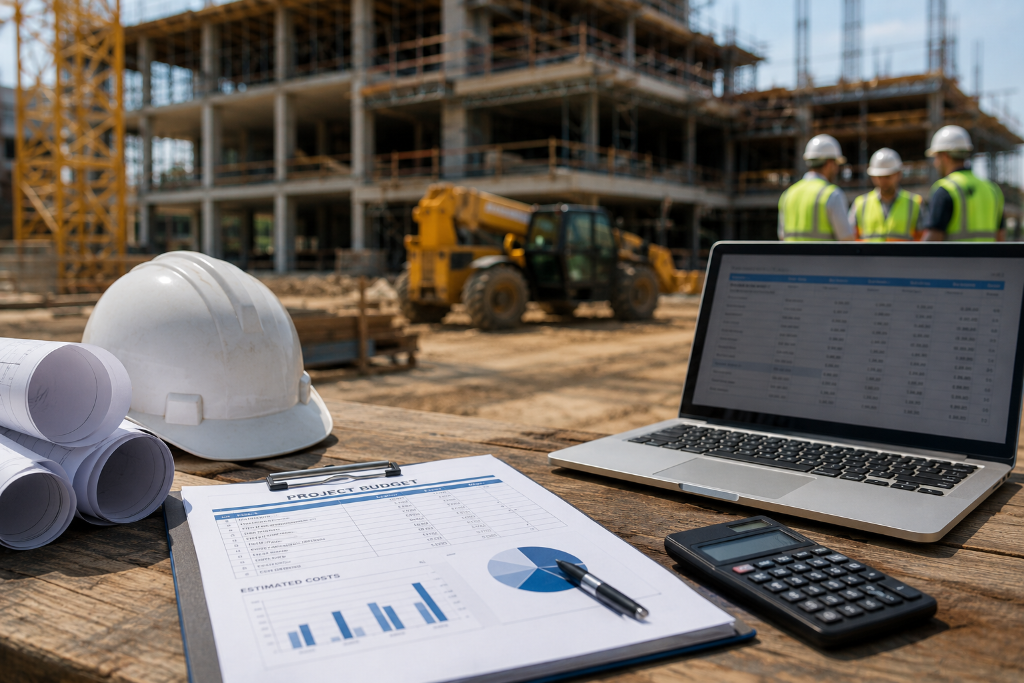
Construction businesses face unique financial challenges. Large projects often require significant upfront costs for labor, materials, equipment, and subcontractors long before final payment arrives. As a result, even profitable contractors can experience cash flow pressure.
Construction company financing can help bridge these gaps, fund growth opportunities, and provide the working capital needed to keep projects moving. If you're exploring financing options, Sussex Capital can help evaluate which structure may fit your business.
What Is Construction Company Financing?
Construction company financing refers to business funding solutions specifically used by contractors, subcontractors, developers, and construction-related businesses. Unlike many industries that receive payment immediately after a sale, construction companies often wait weeks or months for invoices to be paid. Financing helps cover expenses during that period while maintaining operations.
Construction businesses commonly use financing for:
- Payroll
- Materials purchases
- Equipment acquisition
- Mobilization costs
- Hiring additional crews
- Project expansion
- Cash flow management
- Seasonal slowdowns
When Businesses Typically Use It
Construction companies often seek financing during periods of growth or when working capital becomes constrained.
Winning a Large Contract
A contractor may secure a major project but need additional capital to purchase materials, hire labor, or mobilize equipment before receiving payment.
Managing Slow-Paying Customers
Government agencies, general contractors, and commercial clients may have lengthy payment cycles. Financing can help bridge the gap between completed work and collected receivables.
Expanding Operations
Adding crews, entering new geographic markets, or bidding on larger projects often requires additional capital.
Purchasing Equipment
Heavy machinery, vehicles, and specialized tools can represent significant investments.
Covering Payroll
Maintaining payroll continuity is critical in construction, especially during periods when receivables are outstanding.
Benefits of Construction Company Financing
Improved Cash Flow
Provides liquidity when project expenses arise before customer payments are received.
Larger Project Capacity
Access to capital may allow contractors to pursue opportunities that would otherwise strain working capital.
Preserved Cash Reserves
Rather than using all cash for expenses, businesses may preserve liquidity for operations.
Operational Flexibility
Helps manage fluctuations in project timing, seasonal demand, and customer payment cycles.
Growth Support
Financing can help businesses invest in hiring, equipment, marketing, and expansion.
Potential Drawbacks
Financing can be a useful tool, but it's important to understand the considerations involved.
Qualification Requirements
Not every financing product is available to every business. Lenders typically evaluate revenue, cash flow, time in business, project history, and other factors.
Documentation Requirements
Many financing programs require financial statements, bank statements, tax returns, accounts receivable reports, or project information.
Repayment Obligations
Financing should be aligned with expected cash flow so repayment obligations remain manageable.
Product Fit Matters
The cheapest option is not always the most appropriate, and the fastest option is not always the best long-term solution. Choosing the right structure often matters more than simply obtaining capital.
Qualification Requirements
Requirements vary by lender and financing type, but construction companies are often evaluated based on:
- Time in business
- Annual revenue
- Cash flow consistency
- Existing debt obligations
- Accounts receivable quality
- Project backlog
- Banking history
- Credit profile
Some financing structures place greater emphasis on receivables and assets, while others focus more heavily on revenue and cash flow performance.
Real-World Example
Hypothetical Example
A commercial contractor wins a $2 million project requiring significant upfront labor and materials. The customer payment schedule does not provide sufficient cash flow to cover early project costs. The contractor obtains financing to fund payroll and materials during the initial phases of the project.
As project milestones are completed and payments are received, the business maintains operations without disrupting project execution.
This example is hypothetical and intended solely to illustrate how financing may be used.
Alternatives to Consider
Construction businesses often have access to several financing structures.
Term Loans
For expansion, equipment purchases, or major business initiatives.
Business Lines of Credit
Revolving access to working capital as needs arise.
Accounts Receivable Factoring
Access cash tied up in outstanding invoices.
Equipment Financing
Acquire machinery, trucks, and equipment while preserving working capital.
Frequently Asked Questions
How Sussex Capital Helps
Sussex Capital works with construction companies nationwide to evaluate financing options across a broad network of funding providers. Rather than focusing on a single financing product, we help identify structures that may fit the specific needs of your business.
- Term Loans
- Business Lines of Credit
- Accounts Receivable Factoring
- Equipment Financing
Our goal is to help business owners understand available options and navigate the financing process efficiently.
Conclusion
Construction companies frequently face cash flow challenges created by project timing, payment delays, equipment costs, and growth opportunities. The right financing structure can help provide working capital, support expansion, and improve operational flexibility.
If you're exploring construction company financing options, Sussex Capital can help evaluate which structure may fit your business. Contact our team to discuss your situation and review available funding solutions.