
Construction Equipment Financing: Buy for the Job or Rent?
How established contractors can decide whether a new contract supports an equipment purchase or project rental, with a plan for the work that follows.
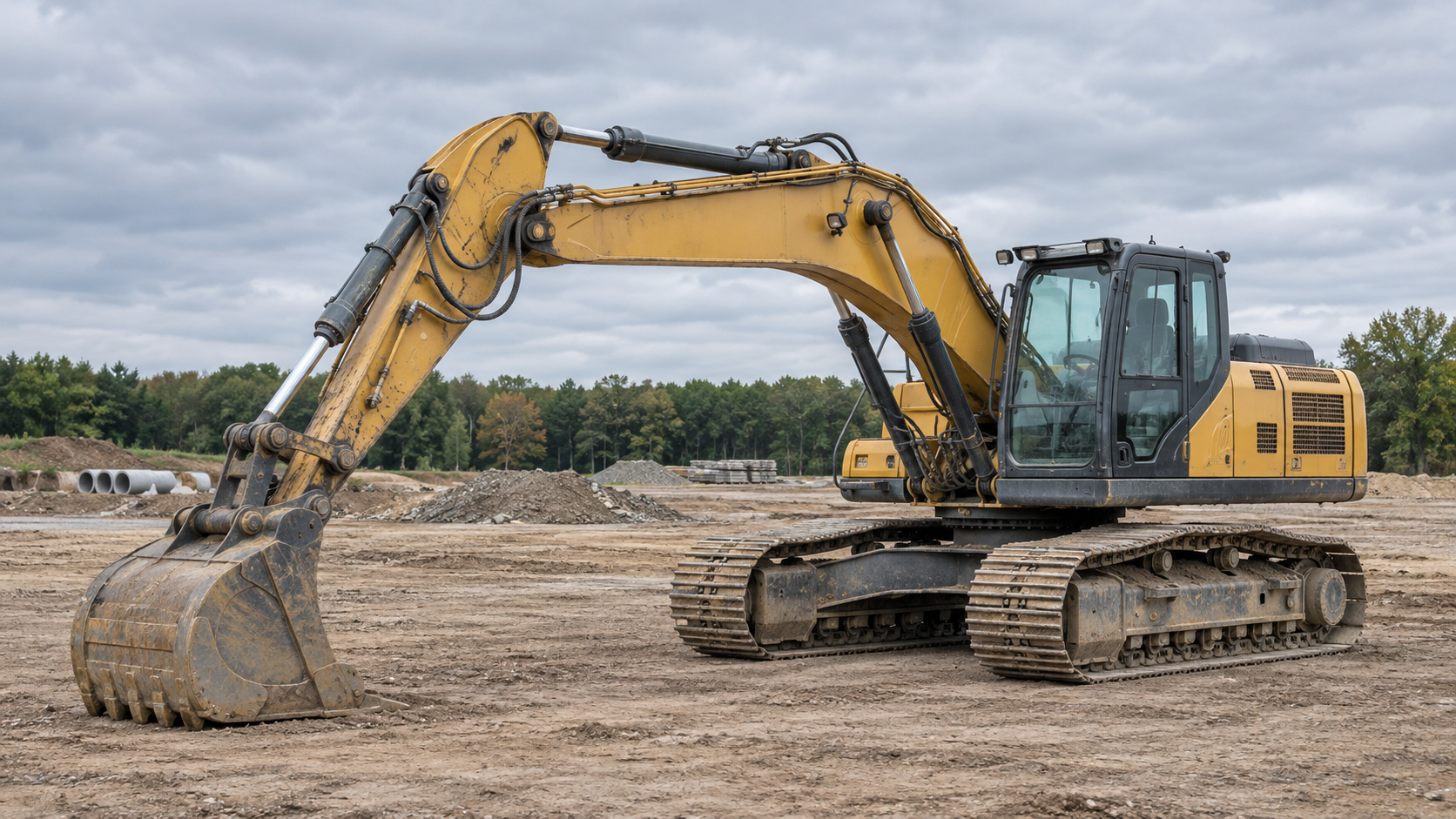
A new contract can make an excavator, loader or other machine look like an obvious purchase. The job needs it, rental bills will be substantial, and a proposed loan payment may look manageable. The harder question is what the machine will do after that contract ends.
Construction equipment financing should fit the contractor's continuing operation. For an established business, the purchase decision depends on credible future use, the cost of carrying idle equipment and the cash needed to perform the work. Compare those commitments with a rental arrangement built around the actual project.
Look beyond the contract that triggered the purchase
Start with awarded work and the hours the machine is expected to contribute. Then identify its next likely assignments. Keep signed contracts separate from bids, verbal indications and work the sales team hopes to win.
Check whether the machine's size, attachments and transport requirements suit those later jobs. A specialized unit may be essential for the current project but awkward to redeploy. Account for travel between sites, scheduled maintenance and gaps between assignments; the same machine cannot provide capacity at two locations at once.
Caterpillar's acquisition guidance identifies expected utilization, current workload, future needs and maintenance as factors in the rent-or-buy decision. It describes rental as potentially useful for short or inconsistent requirements, while noting that availability depends on dealer inventory. Caterpillar: Rent, Lease or Buy Equipment.
Use your own operating history to test the forecast. Ownership may be justified by sustained demand or the value of having the right machine available when needed. One busy contract alone does not establish either case.
Compare the full rental commitment with the ownership plan
Obtain a rental quote for the machine, attachments, expected hours and actual project duration. Ask about delivery and collection, excess-hour charges, maintenance responsibilities, damage provisions, extension terms and the steps required to stop billing. A delay in the work may also extend the rental period.
For ownership, include acquisition costs, financing charges, insurance, maintenance, transport and storage. Identify which costs continue during idle periods and which arise only when the machine works. The U.S. Army Corps of Engineers' equipment-cost framework separates ownership and operating expenses and includes standby adjustments. Those categories are useful prompts for a contractor's comparison; its government estimating rates are not a financing quote or a substitute for your own costs. USACE: Equipment Ownership and Operating Expenses.
Compare the alternatives over the same work plan. A rental charge covering a few months and a loan payment continuing for several years answer different questions. Consider the useful asset remaining under ownership, as well as the obligations that remain when the project finishes.
If awarded work is prompting a substantial equipment purchase, discuss the financing request with Sussex Capital. Share the machine, approximate investment and expected use after the first job. You can begin with the information available while quotes and scheduling details are being refined.
Keep the cash forecast separate from the cost comparison
The cash forecast should show the buyer's contribution, fees, scheduled financing payments and operating outflows when they are due. Put customer receipts beside those payments, including any delay between work performed and cash collected.
The economic comparison asks what the machine costs over its intended holding period. Have your accountant help reconcile acquisition cost, financing expense, running costs and an appropriately supported estimate of remaining value. Counting the full purchase price and all loan principal repayments as separate costs would count the same acquisition twice.
Treat resale value carefully. If you intend to keep using the machine, its estimated value is not cash available to pay wages. If the plan depends on selling it, allow for the outstanding payoff, selling costs and uncertainty about price and timing.
Choose financing that leaves the job funded
A dedicated equipment facility may suit a durable fleet addition while preserving general operating capacity. Compare its initial cash requirement, payments, collateral, permitted use and any final balance with the equipment plan. If a lease is proposed, use our equipment loan versus lease guide to review ownership and return terms separately from this investment decision.
A broader term loan may warrant consideration when the purchase forms part of a larger expansion. For eligible borrowers, the SBA lists equipment, working capital and multiple-purpose loans among permitted 7(a) uses. The provider must still assess the business and proposed costs. SBA: 7(a) loans.
Whatever the structure, leave an identified source for payroll, fuel, materials and other project spending. Financing a machine does not automatically finance the work it performs. Our equipment financing and working-capital comparison explains that distinction, and Sussex's commercial financing solutions outline the relevant categories.
Test a gap between jobs before committing
Run the plan with the current contract starting later or the next assignment falling away. Show the payments and carrying costs that remain, and identify which other business cash would cover them. Avoid treating a hoped-for replacement job as the solution to every shortfall.
The decision can also be selective: buy a machine with dependable continuing use and rent specialized attachments or extra capacity when needed. Confirm availability and actual terms before relying on that combination. A manageable equipment payment is useful only if the wider operating plan remains workable.
Sussex Capital is a commercial finance brokerage and private credit intermediary for established U.S. businesses. We help identify potential structures, organize relevant equipment and business information, and coordinate provider review. Start a construction equipment financing request with the investment and project timetable you are considering. The review can address both the purchase and the operating cash the contractor needs to keep working.
Sources & further reading
Put your financing plans into motion
Tell Sussex Capital about your established business, how much capital you need, and what you want it to accomplish.
Start your applicationFinancing is subject to provider review, eligibility, and terms.