
Equipment Financing Soft Costs: What Can Be Included?
Check which acquisition costs a financing proposal includes, when each bill is paid, and how much cash remains your responsibility.
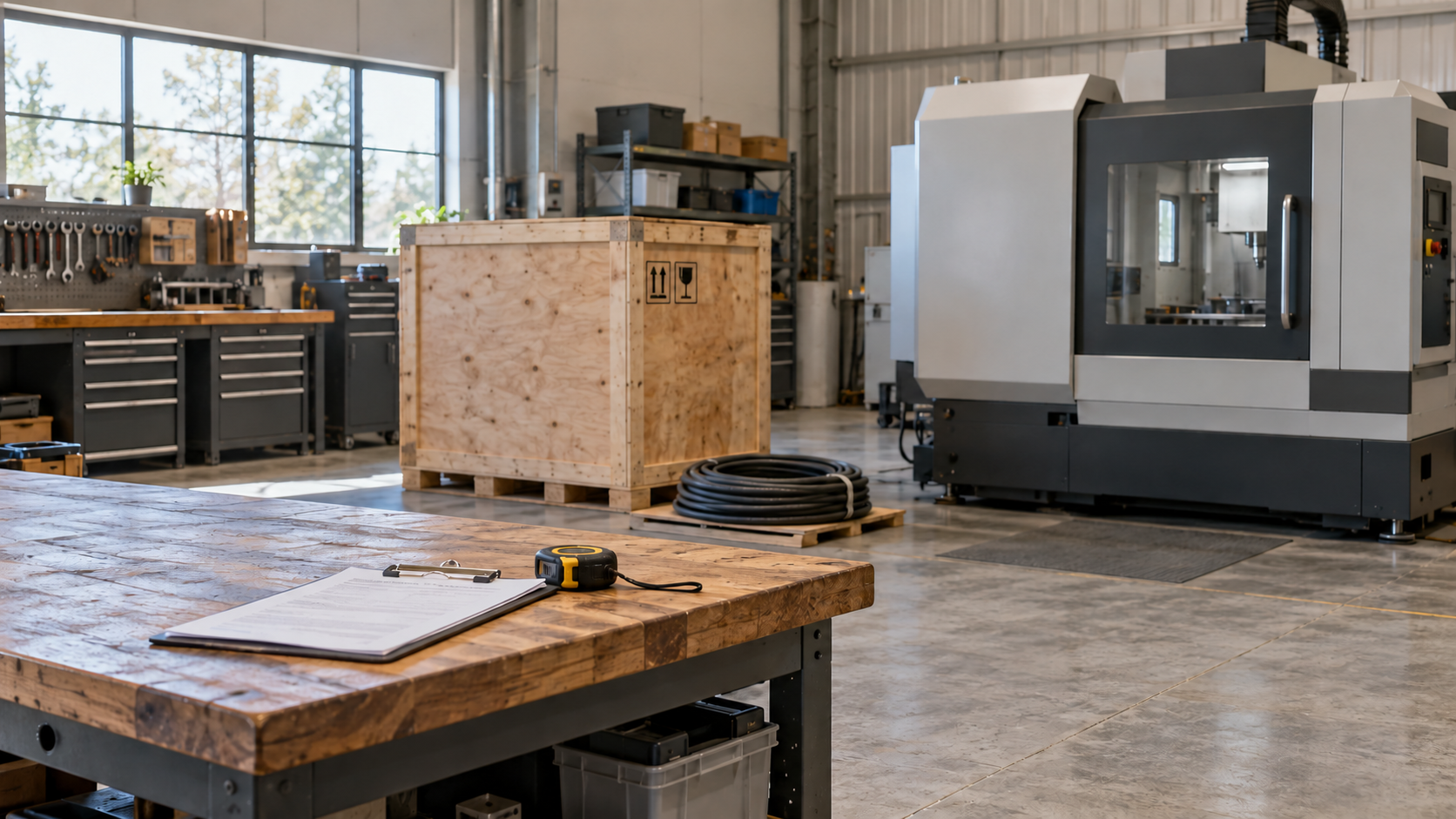
Delivery is booked, the installer wants a deposit, and the equipment quote says “plus applicable tax.” Before accepting a financing proposal, establish which of those bills it actually covers.
Equipment financing soft costs are expenses associated with acquiring and putting equipment into service, beyond the equipment itself. Some financing programs can include them. The useful question is which specific costs your proposed agreement accepts, how they must be documented, and when the money becomes available.
For an established business, an itemized funding plan can prevent an approved equipment purchase from leaving an unexpected cash bill at installation.
Which costs might equipment financing cover?
The Equipment Leasing and Finance Association identifies shipping, taxes, design, installation, training, software, and service contracts among costs that may accompany an equipment transaction. It also notes that certain financing products can bundle equipment with related services.
That is a reason to ask about eligibility, rather than assume every program includes every expense. For example, U.S. Bank's equipment-financing page lists installation, tax, and freight among additional costs its program may include, subject to its guidelines. Those are that bank's product terms, not an offer from Sussex Capital or a promise about another provider.
Keep the actual expense descriptions on your worksheet. “Electrical work to connect machine” is more useful than “miscellaneous soft costs.” If a contractor's bill includes broader building improvements, separate those items from work specific to the equipment and ask how each will be treated.
Turn the quote into a funding worksheet
Give each expense a row, including charges billed outside the equipment vendor's invoice. For every row, record:
- Amount and evidence: The quoted price, quote date, expiration date, and any estimate still awaiting confirmation.
- Payee: The equipment seller, freight company, installer, software vendor, or other party receiving payment.
- Due date or milestone: Deposit, shipment, delivery, installation, or another stated trigger.
- Proposed funding source: Equipment financing, available business cash, or another identified source.
- Provider confirmation: Included, excluded, or unresolved, with any conditions attached.
Have the vendor distinguish included services from optional extras. If installation appears on both the machine quote and a separate contractor quote, resolve the overlap before totaling the project. Also separate recurring subscriptions and future maintenance from amounts payable at acquisition.
If you already have quotes, apply with Sussex Capital and describe the equipment purchase and the additional costs you need to address. Identify estimates and unanswered eligibility questions clearly.
A hypothetical $110,000 purchase
Suppose an established manufacturer has the following fully itemized project budget:
- Machine: $90,000.
- Freight: $3,500.
- Installation: $6,500.
- Quoted taxes: $7,200.
- Operator training: $2,800.
The total is $110,000, including $20,000 beyond the machine price. The tax amount is a fictional quoted expense, not a tax rate or calculation rule.
Assume, solely for this example, that a financing proposal covers the machine, freight, and installation in full. The amount financed would be $100,000. The business would still need $10,000 for the quoted taxes and training.
If a different proposal also financed the $7,200 tax expense on the same assumptions, the amount financed would become $107,200 and those remaining cash costs would fall to $2,800. The extra amount financed must still be repaid under that proposal's terms.
These figures exclude financing charges, fees, deposits, and ongoing operating costs. They do not represent available Sussex Capital terms. The exercise is to reconcile every project dollar with a funding source, then add the actual financing terms to the comparison.
Confirm when funds can pay each bill
An expense can be eligible for financing and still be due before the financing pays it. Resolve that timing with both the provider and the vendor.
Ask who receives each disbursement, what documents authorize it, and whether multiple vendors can be paid. Confirm whether an advance deposit is eligible for reimbursement, what evidence is required, and whether reimbursement is actually part of the written proposal. Until that is confirmed, keep the deposit in the business's cash plan.
For a deposit that reduces the final vendor invoice, track both the original price and the remaining balance. Do not count the deposit as an additional purchase cost. If it is reimbursed, show the reimbursement separately so it is not mistaken for new revenue.
Also ask how a delayed shipment, installation change, or disputed delivery affects disbursement and the first financing payment. Record the answer from the governing documents before committing cash to a deadline.
Compare the cost of financing the extras
Including more costs can preserve cash at the start, but compare proposals using the same equipment and services. Record the amount financed, cash due upfront, payment schedule, fees, total scheduled payments, and any final payment or purchase option.
Check whether a service ends before its associated financing payments do. A short training package or limited software license may have a different useful period from the machine. That does not automatically make financing unsuitable; it makes the remaining obligation worth understanding.
If you are still deciding how to fund the project overall, our equipment financing and working capital comparison addresses that broader choice. Use the financing-offer checklist to compare payment obligations once the covered costs are clear.
Prepare a request with fewer unanswered costs
Bring itemized quotes, equipment details, vendor information, the delivery and payment schedule, and a list of costs still marked unresolved. Explain the business purpose of the purchase and how much cash the business plans to contribute. Keep existing obligations visible alongside the proposed payments.
Sussex Capital is a commercial finance brokerage and private credit intermediary serving established U.S. businesses. Start your equipment-financing request with the purchase details and related expenses so the discussion can address the complete request. Funding providers determine eligible costs, approval, and terms.
Sources & further reading
Put your financing plans into motion
Tell Sussex Capital about your established business, how much capital you need, and what you want it to accomplish.
Start your applicationFinancing is subject to provider review, eligibility, and terms.