
Export Working Capital: Financing Overseas Sales on Terms
How established U.S. exporters can evaluate payment terms, foreign receivables and financing choices before extending more credit to overseas buyers.
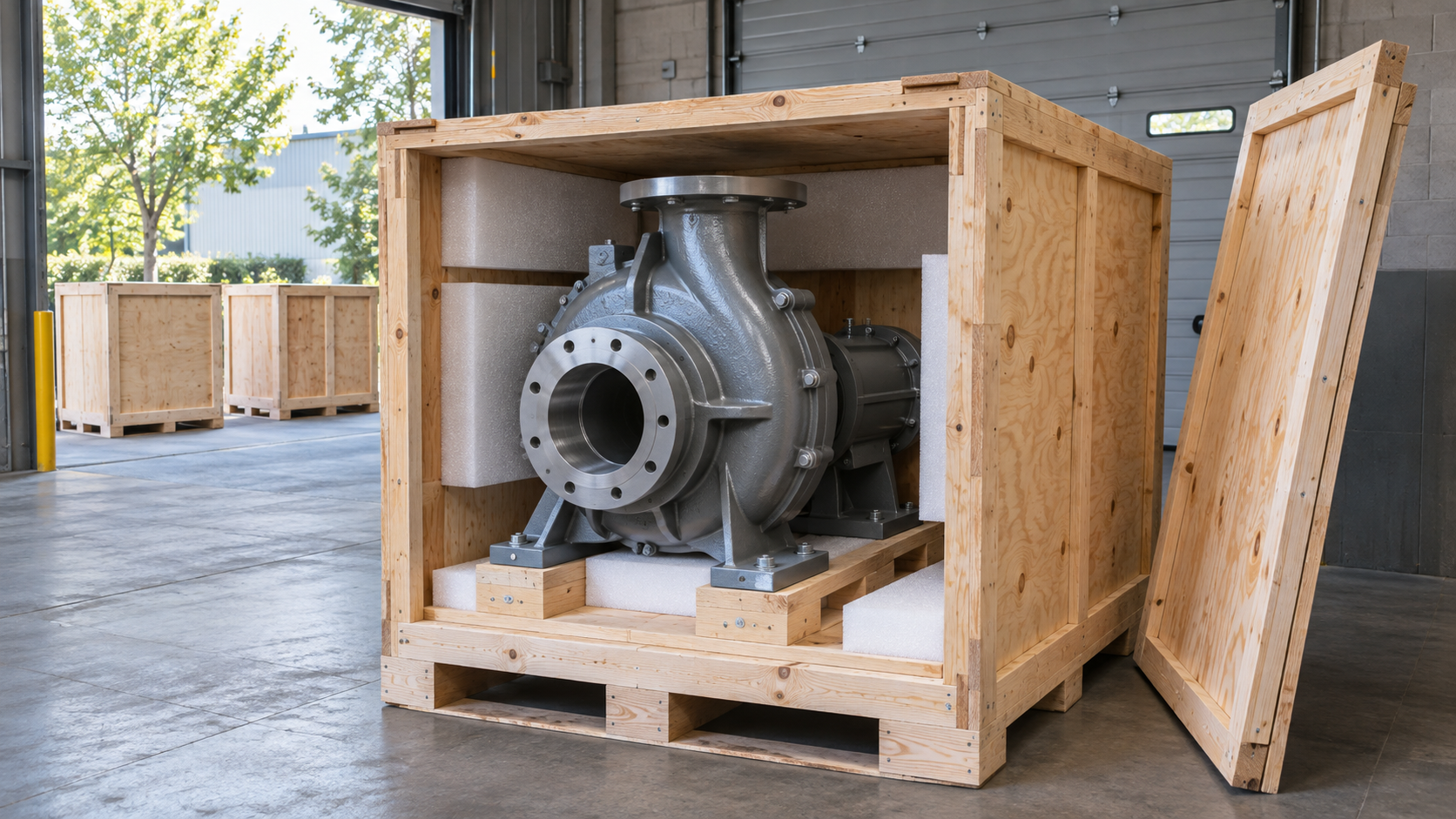
An overseas buyer wants a larger order, provided it can pay after receiving the goods. For an established U.S. manufacturer or wholesaler, that request changes the economics of the sale. The business will carry the customer’s unpaid balance while continuing to pay its own suppliers and employees.
Export working capital financing can help support that growth, but the financing needs to fit the buyer, the payment terms and the export transaction. Before accepting the order, establish whether the business can fund the sale and manage the exposure if payment arrives late.
Treat payment terms as part of the sale price
Selling on open account means shipping before payment is due. The International Trade Administration explains that these terms can help exporters compete, while exposing the seller to nonpayment and additional financing costs. Trade Finance Guide.
Compare the proposed sale with the terms you currently offer. Identify what starts the payment clock: shipment, delivery, acceptance or another agreed event. A term measured from delivery creates a different cash requirement from the same number of days measured from shipment.
Then calculate the margin after the export costs you bear, financing charges and any credit insurance premium. Keep the cost of extending credit visible when negotiating price. A larger order is less attractive if its margin depends on collecting sooner than the buyer has agreed to pay.
For repeat orders, consider how much one customer could owe across several unpaid shipments. That exposure can grow even when each invoice remains within its agreed terms. Our customer concentration guide explains how a major relationship can affect a financing request.
Establish what your current facility will support
A domestic credit line does not automatically answer an export funding need. Nor are foreign receivables universally excluded. The question is how the actual agreement treats the planned sales.
The ITA describes several possibilities: increasing an existing line, extending its scope to export transactions or arranging a separate facility. These require the provider’s assessment. It also notes that the seller ordinarily remains responsible for repaying a working capital loan even when the foreign buyer fails to pay. Financing Options.
Ask the provider to review the specific buyer, country, invoice currency and payment terms. Confirm which receivables could qualify, when they become eligible, and whether buyer limits, reserves or other conditions reduce availability. Our borrowing-base explanation covers why the recorded receivables balance and available credit can differ.
Before agreeing to longer overseas terms, start a working capital discussion with Sussex Capital. Describe the customer, proposed sales and financing already in place. You can begin while the final commercial terms are still being negotiated.
Separate insured exposure from funded cash
Export credit insurance can protect against specified commercial or political causes of foreign-buyer nonpayment. It is conditional protection: policy requirements apply, some loss may remain with the exporter, and failure to comply can affect a claim. It is also different from insurance covering physical damage to the shipment. ITA: Export Credit Insurance.
Insurance can help a financing discussion. EXIM says lenders may be more willing to include insured foreign receivables in a borrowing base. That is a potential financing benefit, not confirmation that a particular lender will advance against your invoice. EXIM: Export Credit Insurance.
Review proposed coverage with the insurer or a specialist insurance broker, then confirm its treatment with the financing provider. Ask about the covered buyer, permitted terms, reporting obligations, exclusions and claim process. An insurance policy does not itself put the invoice amount into your operating account when goods leave the loading bay. The cash plan still needs a funded facility, buyer payments or other available resources.
Compare a credit facility with receivables financing
For recurring exports alongside domestic sales, a revolving working capital facility may provide a useful way to support the combined sales cycle. An asset-based structure may merit review where the business’s scale and eligible assets support it. Assess the amount actually available, permitted uses, reporting burden and collection arrangements.
Factoring offers a different route by selling eligible receivables. The ITA describes export factoring as a financing arrangement that can also include credit protection and collection services. The proposed agreement needs to establish what is included for your buyers and markets. Trade Finance Guide: Export Factoring.
Compare advances, fees, reserves, customer communication and responsibility for disputed or unpaid invoices. Our recourse and non-recourse factoring guide explains why the label alone does not settle who bears each risk. Confirm how any new arrangement would interact with existing collateral rights and payment instructions.
Check the currency and the cash left for other orders
If the buyer will pay in a foreign currency, the dollar value of the receipt can change before collection. Requiring dollars can avoid that conversion exposure for the seller, but it does not remove the buyer’s ability-to-pay risk. Discuss currency arrangements with an international banker before fixing the sales terms. ITA: Foreign Exchange Risk.
Run the proposed exports through the business’s cash forecast using both expected collection dates and a later-payment case. Include the payments needed to fulfill domestic orders during the same period. If those obligations would consume all remaining cash, consider negotiating a deposit, shorter terms or a smaller initial order rather than relying on the next invoice to arrive on time.
Sussex Capital is a commercial finance brokerage and private credit intermediary for established U.S. businesses. We help identify potential structures, organize relevant business information and coordinate financing-provider review. Explore our commercial financing solutions or apply to discuss the working capital needed for overseas sales. Start with the sales opportunity and the terms you want to offer; provider review will determine whether a suitable financing arrangement is available.
Sources & further reading
Put your financing plans into motion
Tell Sussex Capital about your established business, how much capital you need, and what you want it to accomplish.
Start your applicationFinancing is subject to provider review, eligibility, and terms.