
Construction Financing
Construction Financing for Contractors, Subcontractors, and Construction Companies
Access capital for payroll, materials, equipment, project mobilization, delayed receivables, and growth opportunities.
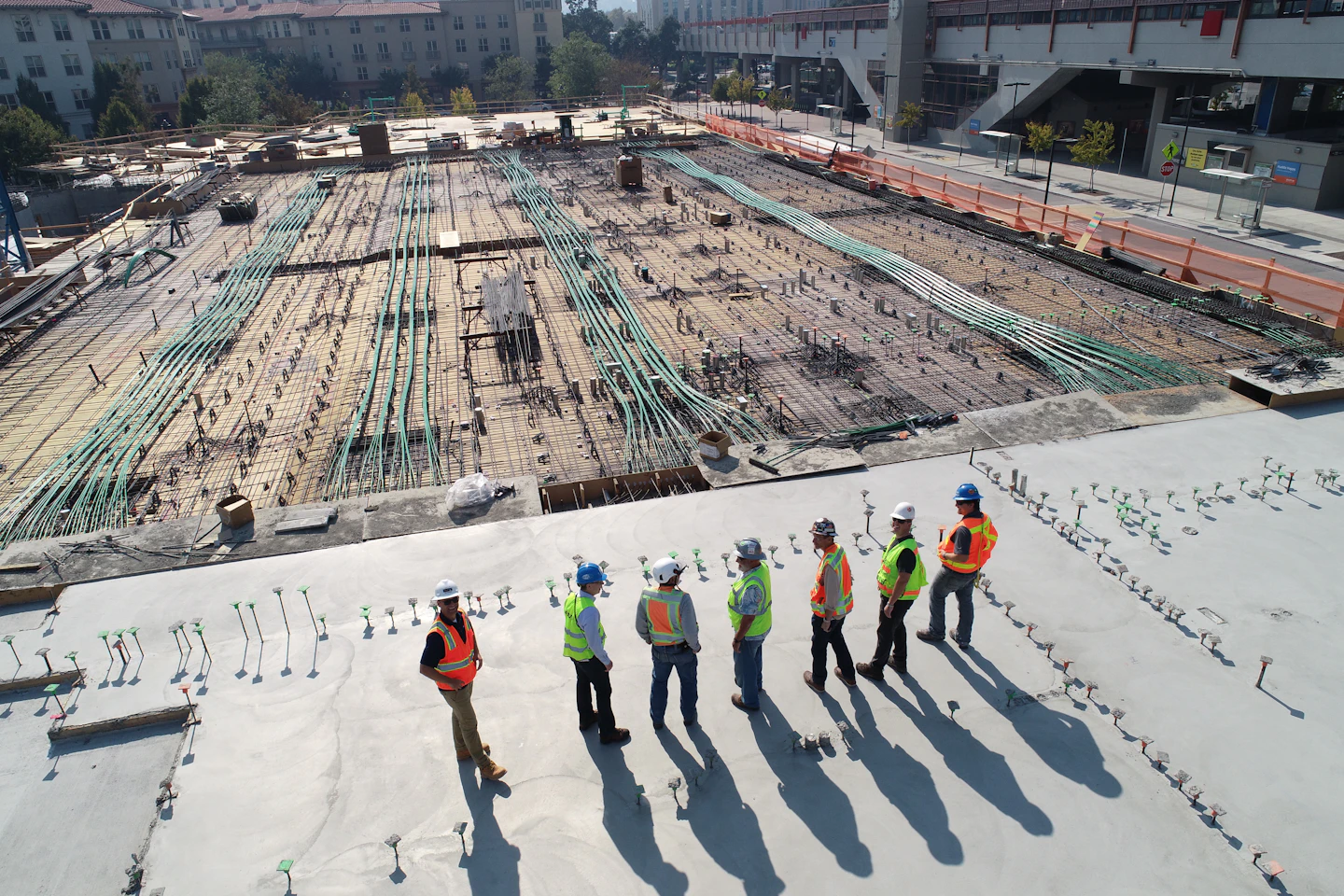
Construction companies often have to spend money long before they get paid. Payroll, materials, permits, equipment, insurance, bonding requirements, subcontractor payments, and site mobilization costs can all come due before progress payments or final invoices are collected.
Sussex Capital helps construction businesses evaluate financing options designed around the realities of project-based cash flow. Whether you are bidding larger jobs, starting a new project, replacing equipment, managing slow-paying customers, or building working capital reserves, our team helps identify capital solutions that fit your business and timeline.
Financing amounts vary by program and business profile and are subject to underwriting, approval, documentation, and capital provider guidelines. Sussex Capital is a commercial finance brokerage, not a bank.
Industry Context
Construction Businesses Need Capital Before Revenue Arrives
In construction, the financial pressure usually starts before the project does. Contractors may need to order materials, schedule crews, rent or purchase equipment, pay insurance premiums, satisfy bonding requirements, and cover mobilization costs before receiving a meaningful payment from the customer.
Even profitable construction companies can face cash flow strain when receivables are delayed, retainage is held back, change orders take time to approve, or multiple projects overlap at once.
Sussex Capital works with construction businesses to evaluate funding structures that can help bridge timing gaps, support active projects, and create additional liquidity without forcing owners to slow down operations.
Common Pain Points
Financing Challenges Contractors Face
Construction companies operate in an industry where timing mismatches between expenses and income are the norm, not the exception.
Delayed Customer Payments
Many contractors wait 30, 60, 90 days, or longer to collect after work is completed. Slow-paying customers, retainage, and approval delays can create pressure even when the work is profitable.
Project Mobilization Costs
New jobs often require upfront spending on labor, materials, permits, insurance, site preparation, equipment, and subcontractors before revenue is received.
Material and Labor Costs
Material prices can fluctuate, suppliers may require upfront payment, and payroll must be met consistently regardless of when customers pay.
Equipment Needs
Construction companies rely on trucks, machinery, tools, and specialized equipment. Financing can help preserve working capital while still allowing the business to acquire the equipment needed to perform.
Growth and Larger Contracts
Winning larger jobs can increase revenue, but it can also require more labor, equipment, materials, bonding capacity, and working capital before the project generates cash.
Seasonality and Revenue Swings
Weather, project timing, permit delays, and seasonal demand can all create inconsistent revenue cycles. Access to capital can help smooth out these fluctuations.
Financing Structures
Construction Financing Solutions Sussex Capital Can Help You Evaluate
Different construction businesses need different types of capital. Sussex Capital helps compare multiple financing structures so contractors are not limited to one option or one lender.
Working Capital Financing for Contractors
When you need cash to bridge the gap between project expenses and customer payments.
Working capital financing can help construction businesses maintain operational flexibility while projects progress and invoices remain outstanding.
- • Payroll
- • Materials
- • Vendor payments
- • Insurance premiums
- • Project startup costs
- • Subcontractor payments
- • Temporary liquidity needs
- • Working capital reserves
Best for: Contractors with active work, pending invoices, upcoming payroll, or immediate material needs.
Business Term Loans for Construction Companies
When you need a larger, structured amount of capital for a defined investment or growth initiative.
A business term loan may be appropriate for larger investments, expansion plans, debt restructuring, or major purchases with a structured repayment schedule.
- • Expansion
- • Equipment purchases
- • Fleet growth
- • Facility improvements
- • Debt consolidation
- • Hiring and scaling operations
- • Larger project preparation
Best for: Established construction companies pursuing planned, capital-intensive growth.
Business Lines of Credit for Contractors
When you need ongoing, flexible access to capital that can be drawn as needed.
A business line of credit can give contractors access to revolving capital especially helpful for recurring project startup costs, seasonal swings, or uneven payment cycles.
- • Buying materials before payment arrives
- • Covering payroll during receivable delays
- • Managing seasonal slowdowns
- • Handling project overruns
- • Supporting multiple active jobs
- • Creating a backup liquidity source
Best for: Contractors who experience recurring cash flow timing gaps across multiple projects.
Construction Equipment Financing
When the funding need is tied to acquiring or replacing specific equipment.
Construction businesses often depend on equipment to complete work efficiently and take on larger projects. Equipment financing can help acquire or replace machinery while preserving operating cash.
- • Excavators
- • Bulldozers
- • Backhoes and loaders
- • Cranes
- • Dump trucks and utility vehicles
- • Trailers
- • Specialty trade equipment
- • Commercial vehicles
- • Tools and machinery
Best for: Contractors replacing aging units, expanding fleet capacity, or adding specialized equipment.
Accounts Receivable Financing for Contractors
When invoices are outstanding and cash is needed now, before customers pay.
If your business has completed work and is waiting on payment, AR financing may allow you to access capital based on eligible outstanding invoices without waiting for slow-paying customers.
- • Progress billing delays
- • Commercial customer receivables
- • Government or municipal contract receivables
- • Large outstanding invoices
- • Slow payment cycles
- • Retainage-related cash flow pressure
Best for: Contractors with creditworthy commercial customers and large outstanding invoice balances.
Asset-Based Lending for Construction Companies
When the business has significant assets that can support a larger credit facility.
Construction companies with valuable business assets may be able to use those assets to support larger financing arrangements through an asset-based lending structure.
- • Accounts receivable
- • Equipment
- • Vehicles
- • Inventory
- • Other business assets
Best for: Established contractors and developers with substantial receivables, equipment, or fleet assets.
Common Use Cases
What Construction Financing Can Be Used For
Construction financing can support both day-to-day operations and long-term growth. Common uses include:
Starting a New Project
Secure funding for mobilization, materials, labor, permits, equipment, and upfront project costs before progress payments begin.
Covering Payroll
Keep crews, employees, and subcontractors paid consistently while waiting for customer payments or project draws.
Buying Materials
Purchase lumber, steel, concrete, electrical supplies, plumbing materials, HVAC equipment, roofing materials, and other job-specific supplies.
Purchasing Equipment
Acquire machinery, trucks, tools, and specialized equipment needed to increase capacity or complete jobs more efficiently.
Managing Slow Receivables
Bridge the gap between completed work and customer payment, especially when invoices take 30 to 90+ days to collect.
Preparing for Larger Contracts
Build liquidity before taking on larger jobs that require more crews, materials, equipment, or bonding capacity.
Handling Cost Overruns
Create financial flexibility when labor costs, change orders, material pricing, or project delays create unexpected expenses.
Expanding the Business
Support hiring, fleet expansion, facility improvements, geographic expansion, or new service lines.
Who We Serve
Construction Businesses We Work With
Sussex Capital works with a wide range of construction-related businesses, including:
Why Sussex Capital
Why Contractors Work With Sussex Capital
Construction financing is not one-size-fits-all. A contractor with strong receivables may need a different solution than a subcontractor funding payroll, a developer preparing for a new project, or a trade contractor replacing equipment.
Sussex Capital helps construction businesses compare multiple financing options through a practical, relationship-driven process. Our goal is to help business owners understand what type of capital may fit their current situation, what documentation may be needed, and what options may be available based on revenue, time in business, credit profile, assets, receivables, and overall financial strength.
Multiple Financing Sources
We help businesses evaluate options across different financing structures instead of relying on a single lender or one generic product.
Construction-Focused Cash Flow Review
We understand that contractors often face timing gaps between project expenses, progress payments, retainage, and final collections.
Options for Growth and Liquidity
Whether the goal is to fund a project, buy equipment, cover payroll, or pursue larger contracts, we help identify capital options that support the business plan.
Long-Term Financing Relationship
Construction businesses often need different forms of financing at different stages. Sussex Capital aims to be a long-term capital resource as the business grows.
How It Works
How the Construction Financing Process Works
Tell Us About Your Business
Share basic information about your company, revenue, financing need, use of funds, and timing.
Review Available Options
Our team reviews your business profile and helps evaluate potential financing structures that may fit your situation.
Compare Terms
We help you understand available options, including potential funding amounts, repayment structures, documentation needs, and timing.
Move Toward Funding
If you decide to proceed, financing is subject to underwriting, approval, documentation, and the requirements of the applicable capital provider.
Getting Started
What Contractors May Need to Apply
Documentation requirements vary depending on the financing product, requested amount, business profile, and capital provider. Common items may include:
- Recent business bank statements
- Business tax returns or financial statements
- Accounts receivable aging report
- Current debt schedule
- Equipment list
- Customer invoices
- Project contracts or purchase orders
- Business formation documents
- Owner identification
- Basic company information
Note: Not every financing option requires the same documentation. Sussex Capital can help you understand what may be needed based on the type of capital you are seeking.
Get Construction Financing Options Built Around Your Business
Whether you need capital for payroll, materials, equipment, project mobilization, delayed receivables, or growth, Sussex Capital can help you evaluate financing options for your construction business.
Our team works with contractors, subcontractors, developers, and construction companies nationwide to identify practical capital solutions based on real business needs.
Sussex Capital LLC is a commercial finance brokerage and private credit intermediary. Sussex Capital is not a bank. Financing is subject to underwriting, approval, documentation, and the policies of the applicable capital provider. Submission of an application does not guarantee approval, terms, or funding. Sussex Capital does not provide legal advice, tax advice, or investment advice.