
Manufacturing Financing
Manufacturing Financing for Manufacturers, Fabricators, and Production Businesses
Access capital for raw materials, inventory, equipment, payroll, production costs, receivables, automation, and facility expansion.
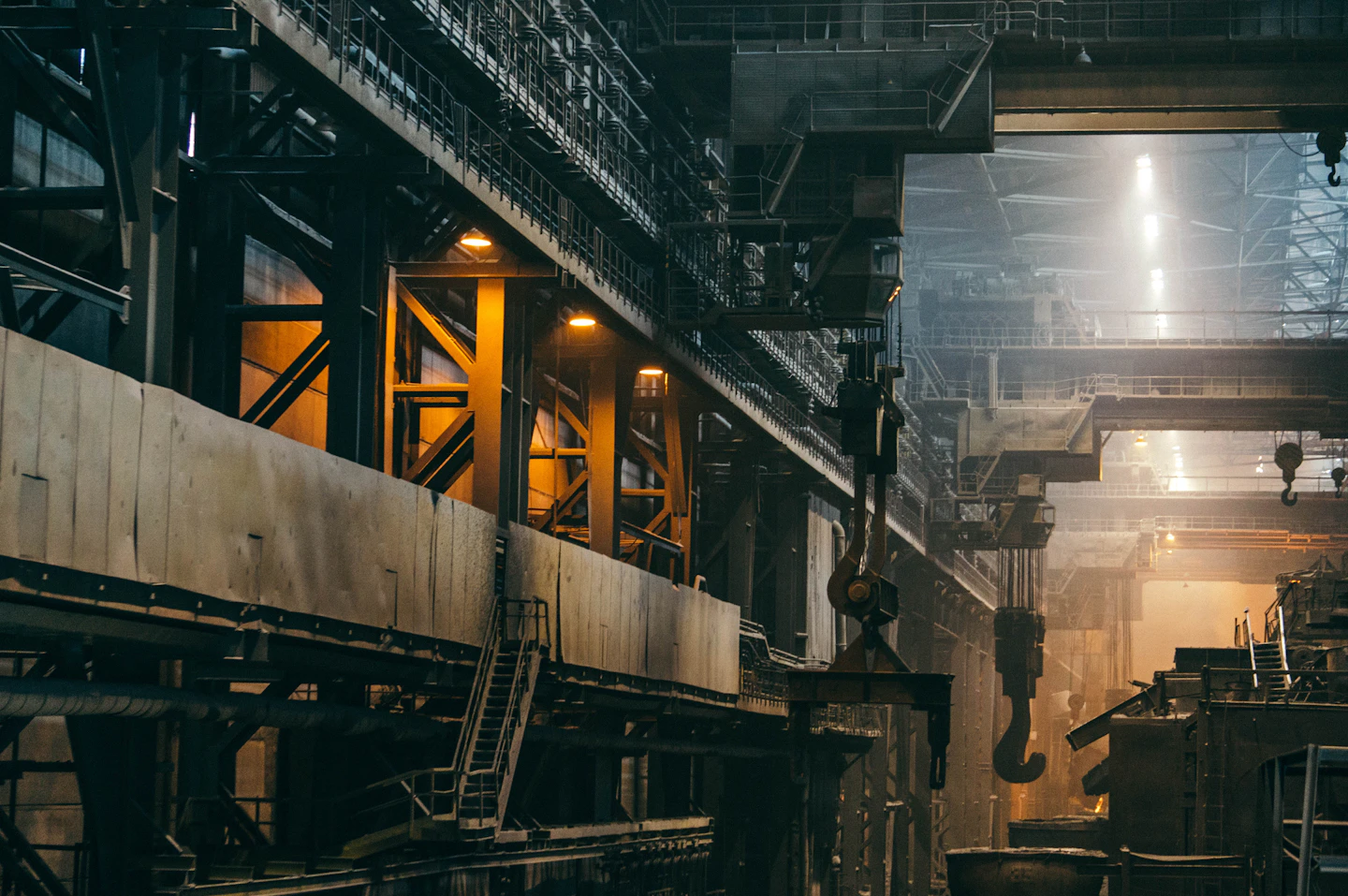
Manufacturing companies often need capital before revenue is collected. Raw materials must be purchased before production begins. Labor, utilities, vendor payments, and facility costs continue while products are being manufactured. Finished goods may be shipped weeks or months before customer payments are received.
Sussex Capital helps manufacturing businesses evaluate financing solutions designed around production cycles, inventory requirements, equipment needs, purchase orders, receivables, and growth plans. Whether you operate a fabrication shop, contract manufacturing business, food production company, packaging business, industrial supplier, or specialized manufacturer, we help identify capital options that support both daily operations and long-term growth.
Financing amounts vary by program and business profile. Options through our lender and capital-provider network are subject to underwriting, approval, documentation, and provider guidelines.
Industry Context
Financing Built Around the Manufacturing Cycle
Manufacturing businesses operate with a different cash flow rhythm than many other industries. A company may receive a large order, purchase raw materials, schedule labor, begin production, package goods, ship products, issue an invoice, and still wait 30, 60, 90 days, or longer to collect payment.
That timing gap can create pressure even when the business is profitable.
Capital may be needed to purchase inventory, cover payroll, repair machinery, buy new equipment, handle supplier changes, accept larger purchase orders, or increase production capacity before additional revenue is realized.
Sussex Capital works with manufacturers to evaluate financing structures that align with the realities of production-based businesses. Our goal is to help business owners understand what options may fit their current needs, cash flow profile, assets, receivables, and growth objectives.
Common Pain Points
Common Financing Challenges Manufacturing Businesses Face
Manufacturing companies face capital demands at every stage of the production process, from raw material purchasing to customer collections.
Raw Material Purchases
Manufacturers often need to purchase steel, plastics, textiles, chemicals, packaging, ingredients, components, or other raw materials before production begins. Large orders can create major working capital demands.
Long Production Cycles
Cash may be tied up throughout the production process while materials are purchased, goods are produced, products are delivered, and invoices remain outstanding.
Customer Payment Delays
Many manufacturers sell to commercial customers that pay on net 30, net 60, or net 90 terms. Strong sales can still create cash flow pressure when collections lag behind expenses.
Equipment Acquisition and Replacement
Production equipment, machinery, CNC systems, automation tools, packaging lines, and material handling systems can be expensive but necessary to stay competitive.
Inventory Management
Maintaining adequate inventory is essential for fulfilling orders, avoiding production delays, and meeting customer demand, but inventory can tie up significant capital.
Supply Chain Disruptions
Supplier price increases, shipping delays, material shortages, and transportation costs can create unexpected financing needs.
Payroll and Labor Costs
Skilled labor, production staff, operators, supervisors, warehouse teams, and administrative employees must be paid consistently regardless of customer payment timing.
Growth Opportunities
Larger contracts, new customers, private label production, expanded product lines, and additional locations may require capital before the increased revenue is collected.
Financing Structures
Manufacturing Financing Solutions Sussex Capital Can Help You Evaluate
Manufacturing financing is not one-size-fits-all. A manufacturer with valuable equipment may need a different structure than a business with large receivables, heavy inventory needs, long production cycles, or a major expansion opportunity. Sussex Capital helps compare multiple financing options so business owners can make informed decisions.
Working Capital Financing for Manufacturers
When you need to bridge cash flow gaps between production expenses and customer payments.
Working capital financing can help manufacturers bridge cash flow gaps between production expenses and customer payments. This type of financing may be useful when the business has strong sales but needs additional liquidity to keep operations moving.
- • Raw material purchases
- • Payroll
- • Vendor payments
- • Utility expenses
- • Packaging costs
- • Production expenses
- • Inventory replenishment
- • Temporary cash flow gaps
- • Supplier deposits
- • Shipping and logistics costs
Working capital financing may help manufacturers accept new orders, maintain production schedules, and manage short-term liquidity needs without slowing operations.
Business Term Loans for Manufacturing Companies
When you need a larger, structured amount of capital for a defined investment or growth initiative.
A business term loan may be appropriate for larger investments, expansion plans, debt restructuring, equipment purchases, or long-term growth initiatives. Term loans generally provide a fixed amount of capital with a structured repayment schedule.
- • Facility expansion
- • Production line upgrades
- • Equipment purchases
- • Business acquisitions
- • Debt consolidation
- • Warehouse improvements
- • Capacity expansion
- • Hiring and scaling operations
- • New product line launches
Term loans can be useful when a manufacturer needs capital for a defined project and wants a predictable repayment structure.
Business Lines of Credit for Manufacturers
When you need flexible, revolving access to capital you can draw and repay as needs change.
A business line of credit can provide flexible access to revolving capital. Manufacturers may draw funds as needed, repay balances, and access capital again as business needs change.
- • Purchasing inventory
- • Managing seasonal demand
- • Covering short-term cash flow gaps
- • Funding larger orders
- • Handling unexpected expenses
- • Supporting payroll
- • Managing customer payment delays
- • Creating a liquidity reserve
For manufacturers with recurring working capital needs, a line of credit can provide ongoing flexibility rather than relying on one-time financing.
Equipment Financing for Manufacturers
When the funding need is tied directly to acquiring or replacing production equipment.
Manufacturing businesses rely on machinery and equipment to maintain output, improve efficiency, reduce downtime, and expand capacity. Equipment financing can help businesses acquire or replace essential production assets while preserving operating cash.
- • CNC machines
- • Fabrication equipment
- • Packaging systems
- • Robotics and automation systems
- • Processing equipment
- • Industrial ovens
- • Commercial refrigeration
- • Injection molding equipment
- • Printing and labeling equipment
- • Material handling systems
- • Forklifts
- • Production line machinery
- • Industrial vehicles
- • Quality control equipment
Equipment financing may be appropriate for manufacturers that need to modernize operations, increase output, improve margins, or replace outdated machinery.
Asset-Based Lending for Manufacturers
When the business has significant assets that may support a larger structured credit facility.
Manufacturers often have meaningful business assets that may support larger financing facilities. Asset-based lending may be appropriate for established manufacturers with accounts receivable, inventory, equipment, machinery, or other eligible assets.
- • Accounts receivable
- • Inventory
- • Equipment and machinery
- • Vehicles
- • Finished goods
- • Raw materials
- • Other business assets
Asset-based lending may provide greater borrowing capacity than certain unsecured financing options because the facility is supported by business assets.
Accounts Receivable Financing for Manufacturers
When outstanding invoices are creating a cash flow gap and capital is needed before customers pay.
Manufacturers frequently carry substantial receivable balances from completed orders. Accounts receivable financing may allow the business to access capital based on eligible outstanding invoices instead of waiting for customers to pay.
- • Net 30, 60, or 90 customer terms
- • Large outstanding invoices
- • Commercial customer receivables
- • Purchase order fulfillment
- • Payroll support
- • Inventory purchases
- • Production expenses
- • Working capital pressure from slow collections
Receivables-based financing can be especially useful for manufacturers that are growing quickly but waiting on payment from creditworthy customers.
Common Use Cases
Common Uses for Manufacturing Financing
Manufacturers use financing for both operational needs and strategic growth. Common use cases include:
Inventory and Raw Materials
Purchase raw materials, components, packaging, ingredients, and production inputs needed to fulfill customer orders.
Equipment Purchases
Acquire or replace machinery, production equipment, automation systems, forklifts, and industrial tools.
Production Expansion
Increase capacity, add shifts, expand output, or support larger customer contracts.
Payroll and Labor
Cover payroll for operators, production staff, warehouse employees, supervisors, and administrative teams while waiting on customer payments.
Purchase Order Fulfillment
Access capital to fulfill large purchase orders that require upfront spending before the customer pays.
Facility Improvements
Expand warehouses, improve production floors, upgrade utilities, renovate facilities, or increase storage capacity.
Automation Investments
Invest in robotics, production technology, software, and process improvements that increase efficiency and reduce manual labor strain.
Supply Chain Management
Handle supplier changes, bulk purchasing opportunities, material shortages, freight costs, and other supply chain pressures.
Receivables Management
Bridge the gap between completed work, shipped products, outstanding invoices, and customer collections.
Business Growth
Support new product lines, larger contracts, additional customers, geographic expansion, or acquisitions.
Who We Serve
Manufacturing Businesses We Work With
Sussex Capital works with a broad range of manufacturing, production, fabrication, and industrial businesses.
Why Sussex Capital
Why Manufacturers Work With Sussex Capital
Manufacturing financing requires an understanding of production cycles, inventory management, equipment economics, receivables, supplier relationships, and operational cash flow. The right financing structure depends on the business, the use of funds, the customer base, the assets available, and the company's overall financial profile.
Sussex Capital helps manufacturers compare financing options across multiple capital sources. Our role is to help business owners understand which structures may fit their needs, what documentation may be required, and how different financing options may support operations or growth.
Multiple Financing Sources
We help manufacturers evaluate options across different lenders and capital providers instead of relying on a single financing source.
Manufacturing Cash Flow Perspective
We understand that manufacturers often spend money on materials, labor, inventory, and production before collecting revenue.
Equipment and Asset Financing Experience
Many manufacturers have valuable machinery, inventory, receivables, and equipment that may create additional financing opportunities.
Support for Growth and Operations
Whether the goal is to buy equipment, fill larger orders, improve working capital, or expand production, we help identify practical capital options.
Long-Term Financing Relationship
As manufacturers grow, their financing needs often change. Sussex Capital aims to be a long-term resource through different stages of growth.
How It Works
How the Manufacturing Financing Process Works
Tell Us About Your Business
Share basic information about your company, revenue, financing need, use of funds, time in business, and timeline.
Review Available Financing Options
Our team reviews your business profile and helps evaluate financing structures that may fit your manufacturing operation.
Compare Terms and Requirements
We help you understand potential funding amounts, repayment structures, collateral requirements, documentation needs, and timing.
Move Toward Funding
If you decide to proceed, financing is subject to underwriting, approval, documentation, and the policies of the applicable capital provider.
Getting Started
What Manufacturers May Need to Apply
Documentation requirements vary depending on the financing product, requested amount, business profile, and capital provider. Common items may include:
- Recent business bank statements
- Business tax returns
- Profit and loss statement
- Balance sheet
- Accounts receivable aging report
- Accounts payable aging report
- Inventory report
- Equipment list
- Customer invoices
- Purchase orders
- Debt schedule
- Business formation documents
- Owner identification
- Basic company information
Note: Not every financing option requires the same documentation. Sussex Capital can help determine what may be needed based on the type of capital your manufacturing business is seeking.
Get Manufacturing Financing Built Around Your Business
Whether you need capital for raw materials, inventory, equipment, payroll, purchase orders, receivables, automation, facility expansion, or long-term growth, Sussex Capital can help evaluate financing options for your manufacturing business.
Our team works with manufacturers, fabricators, processors, industrial suppliers, and production businesses nationwide to identify capital solutions that support operational efficiency, cash flow, and growth.
Sussex Capital LLC is a commercial finance brokerage and private credit intermediary. Sussex Capital is not a bank. Financing is subject to underwriting, approval, documentation, and the policies of the applicable capital provider. Submission of an application does not guarantee approval, terms, or funding. Sussex Capital does not provide legal advice, tax advice, or investment advice.