
Commercial HVAC Financing: Evaluate the Efficiency Upgrade
Evaluate the added cost of a higher-efficiency HVAC replacement, the evidence behind projected savings and financing for the complete installed system.
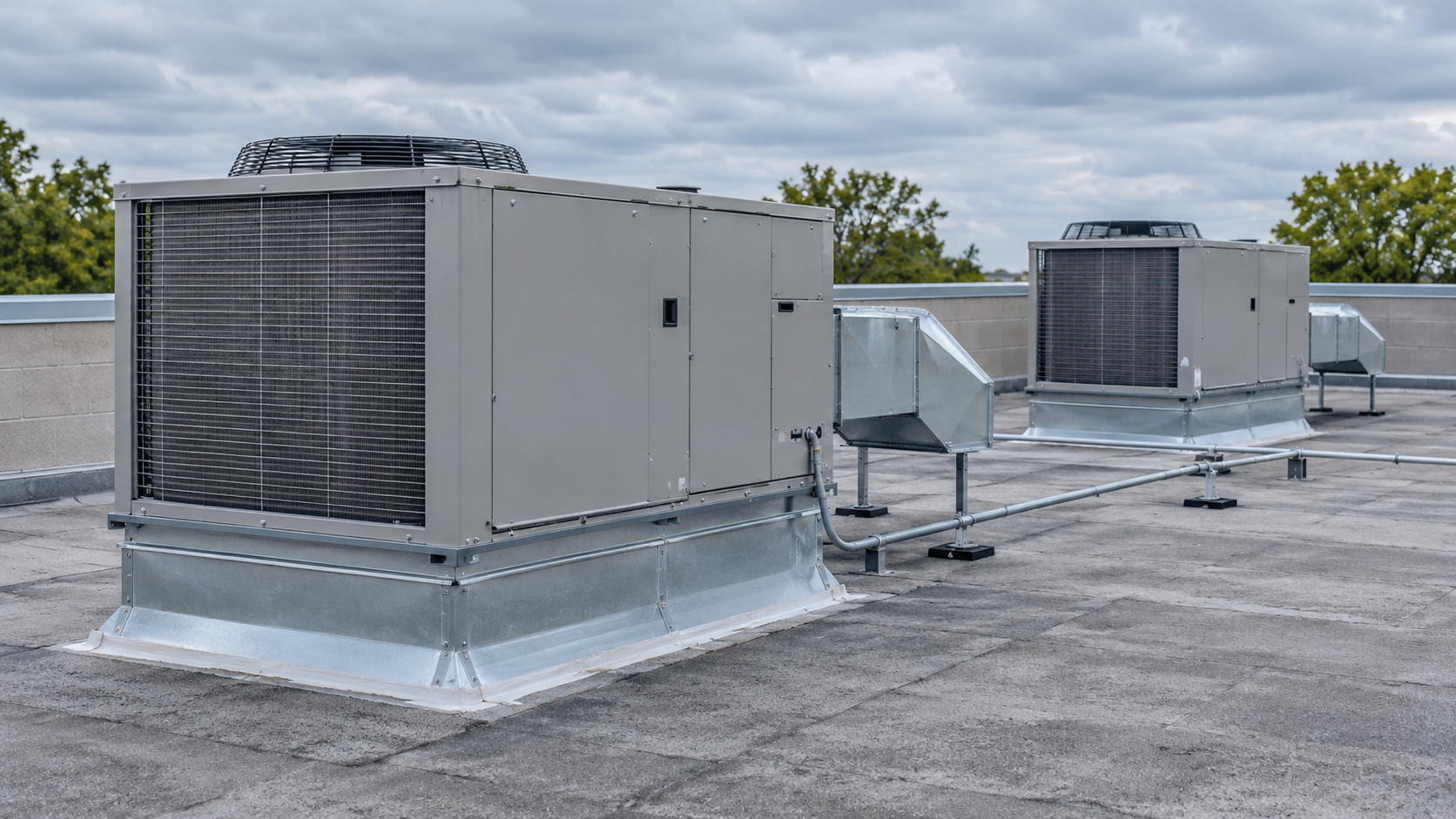
Commercial HVAC financing involves two decisions when an aging system needs replacement: which installation the business should buy and how to fund it. A higher-efficiency system may reduce operating costs, but the financing case needs more than a comparison with equipment already near the end of its service life.
For an established business that owns and occupies its premises, compare the proposed upgrade with a viable replacement that meets the building's needs. Then assess whether the additional savings justify the additional investment, while checking repayment capacity for the entire project.
Compare two workable replacements
Ask a qualified HVAC specialist to define a suitable base replacement and the higher-efficiency alternative. Both should meet applicable requirements and the intended heating, cooling and ventilation needs. A cheaper specification that cannot do the job is not a useful financial benchmark.
Use installed costs for both alternatives, including the necessary controls, electrical work and other associated changes. Explain differences in capacity and operating performance before attributing the entire price difference to efficiency.
When replacement is already necessary, some savings may come from either new system. Crediting all improvement over the old equipment to the premium option can make the extra investment look more productive than it is.
The Department of Energy's cost-analysis methodology compares baseline and improved buildings and weighs incremental investment against longer-term energy savings. Although that methodology evaluates energy codes, the comparison principle is useful here: define the realistic alternative before calculating the benefit of upgrading.
Establish what the savings estimate actually measures
Request the assumptions behind the projected savings: operating hours, temperature settings, occupancy, utility prices and the condition of the existing system. Have the technical team distinguish measured information from estimates and identify what must remain true for the forecast to hold.
A lower utility bill after installation does not necessarily show what the new HVAC system saved. Weather, energy prices, production activity and hours of use can all change. Separate the forecast reduction in energy consumption from the prices used to convert it into dollars.
DOE's measurement and verification guidance explains how whole-building analysis accounts for weather, occupancy, loads and operations. Its federal-project framework is not a financing requirement for your business, but it illustrates why an unadjusted before-and-after bill comparison can mislead.
Agree with the specialist on a proportionate way to check performance after installation. Include commissioning—the verification that the system is installed and operating as intended—in the project scope. DOE's HVAC commissioning guidance describes that process and the importance of operating schedules and controls.
Isolate the efficiency premium
Hypothetical example: An established business compares a $500,000 installed replacement with a $650,000 higher-efficiency alternative. Assume the alternatives provide the required capacity, and the second option is expected to deliver $30,000 more in annual net operating savings than the base replacement. That savings figure already accounts for differences in maintenance and recurring service costs.
The additional investment is $150,000. Dividing it by the assumed $30,000 annual benefit gives a five-year simple incremental payback. If the benefit is only $15,000, that calculation becomes ten years.
These figures are illustrative project assumptions, not contractor estimates, financing terms or expected Sussex Capital results. They exclude financing costs and the time value of money. A fuller investment comparison should account for the expected service life, future costs and benefits of each alternative.
The calculation evaluates the $150,000 upgrade decision. It does not demonstrate that savings can repay financing for the entire $650,000 installation. The business still needs a credible cash-flow plan for the complete obligation.
If you are comparing HVAC specifications, share the project with Sussex Capital. Include the approximate installed cost and the alternatives under consideration so the financing discussion can develop alongside the technical review.
Match the financing to the installed project
Equipment financing may suit identifiable HVAC assets, depending on the provider's treatment of the equipment, installation and collateral. Confirm whether the proposed facility includes controls, contractor work and other necessary costs. Our equipment financing soft-cost guide covers that reconciliation in more detail.
A conventional/C&I term loan may be worth considering for a broader defined investment supported by operating cash flow. Eligible SBA financing can also be explored: the 7(a) program permits building improvements, equipment purchase and installation, and multiple-purpose loans. Those permitted uses do not establish eligibility or approval for a particular request.
Compare the cash contribution, covered costs, payment schedule, collateral and total obligations under actual proposals. If the HVAC becomes part of the building, ask how the proposed provider will address existing property financing and any required consents. Review Sussex's financing solutions for the program categories that may fit the request.
Test payments against the operating calendar
Annual savings can conceal a seasonal cash mismatch. A cooling-heavy system may deliver much of its benefit during warmer months while financing payments continue throughout the year. Include installation timing, temporary operating arrangements and the first required payment in a monthly forecast.
Test lower savings as well as delayed commissioning. Identify how the existing business would carry the debt during those periods. The article on debt service coverage puts that assessment in the context of the business's existing obligations.
Keep any expected rebate separate until its eligibility, conditions, amount and payment timing are confirmed. A potential reimbursement does not settle a contractor invoice today. Show how the business would fund the project if that receipt is later or smaller than anticipated.
For an HVAC replacement, Sussex Capital can help compare potential financing structures, assemble the project costs and business information relevant to provider review, and coordinate that review. Our firm is a commercial finance brokerage and private credit intermediary. The capital provider determines approval and funding; qualified technical professionals assess system performance.
Start your commercial HVAC financing request with the intended replacement, approximate investment and installation plans. You can begin the discussion before the final equipment selection or supporting package is complete.
Sources & further reading
Put your financing plans into motion
Tell Sussex Capital about your established business, how much capital you need, and what you want it to accomplish.
Start your applicationFinancing is subject to provider review, eligibility, and terms.