
Leasehold Improvement Financing: Match the Loan to the Lease
How established businesses can finance improvements to leased premises while assessing occupancy rights, landlord contributions and the cost of leaving.
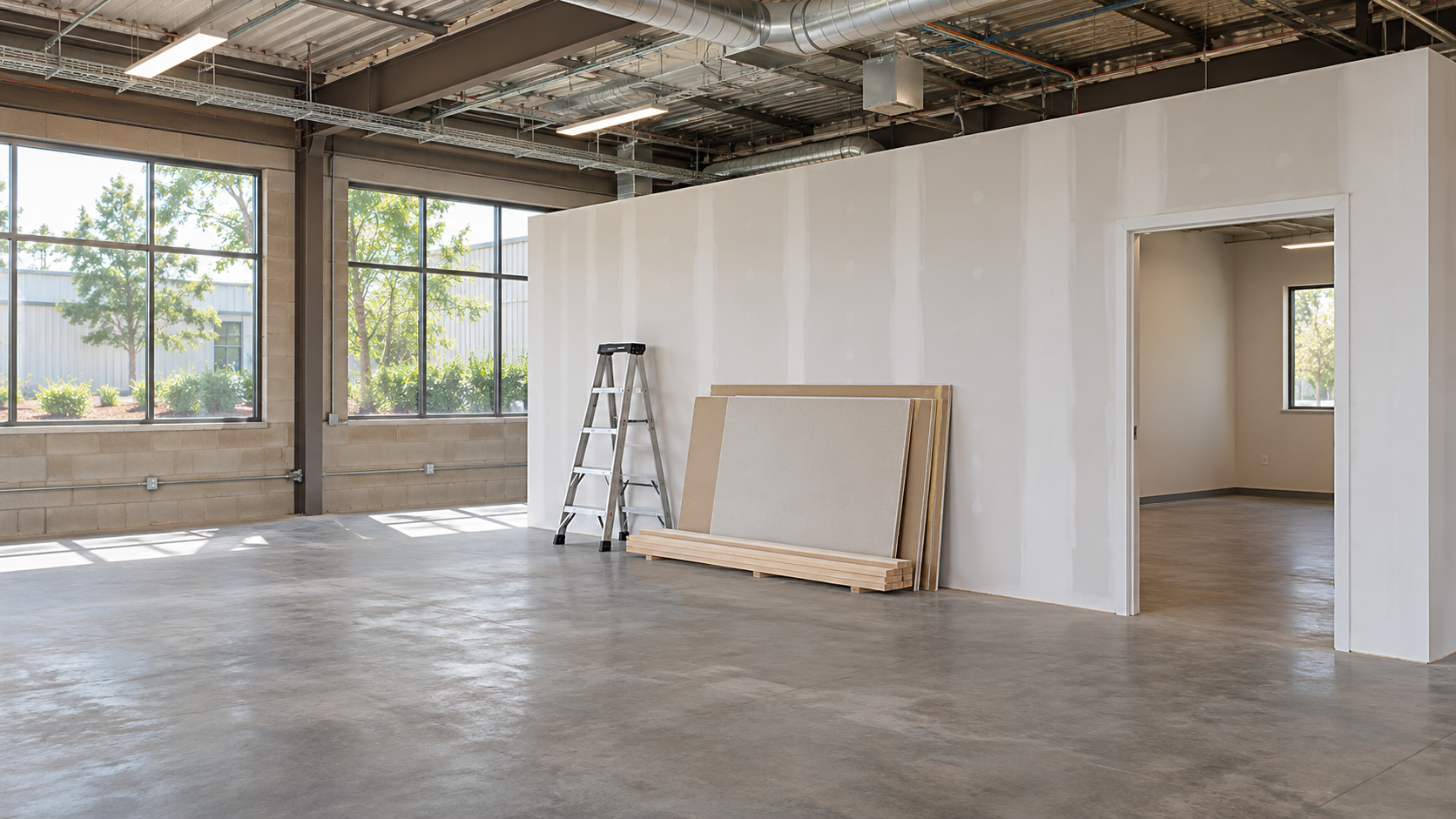
A business can spend heavily on a leased space without acquiring an asset it can sell when it leaves. Electrical capacity, plumbing, partitions and specialized ventilation may improve operations for years, but their financial value to the tenant depends on continued use of that location.
Leasehold improvement financing should therefore begin with the lease as well as the construction budget. For an established business renovating its premises, the decision is how much to invest, how that investment will repay its cost, and what happens to the debt if occupancy ends sooner than planned.
Compare the repayment period with the right to occupy
Put the expected completion date, lease expiration and proposed loan maturity on one timeline. Allow for the period before the improvements begin contributing to cash flow. A delay can shorten the time available to benefit from the work while rent and financing costs continue.
Review renewal options with counsel, including notice deadlines, conditions and how future rent is determined. An expectation that the landlord will extend the lease is different from a contractual option. The NYC Small Business Services leasing guide discusses these issues for New York City tenants; businesses elsewhere should review their own lease and local requirements.
Ask the financing provider how it evaluates the remaining lease term and renewal rights. Do not assume every lender treats an option period the same way. If the investment depends on staying longer, consider resolving the extension before committing to the full construction scope.
Separate permanent improvements from movable assets
Divide the budget by what the business will actually own and control. Building alterations, installed fixtures and movable equipment can create different financing and exit questions, even when they appear in the same contractor quote.
A freestanding production machine may have value at another location. A custom room layout may be expensive to reproduce elsewhere and offer little recoverable value when the business leaves. Confirm the classification and removal rights with counsel instead of assuming that everything paid for by the tenant remains removable.
This distinction can change the project. A smaller permanent buildout combined with adaptable equipment may preserve flexibility. A specialized installation may still be justified where the site supports a durable operating need. Compare those alternatives using expected operating benefits and relocation costs, rather than choosing solely by the lowest monthly payment.
For machinery within the project, our equipment financing soft-cost guide explains why delivery, installation and related costs need explicit treatment in the financing proposal.
Treat the landlord allowance as a conditional cash source
A tenant improvement allowance can reduce the amount the business ultimately bears. It does not necessarily pay contractors when their invoices fall due. Check which costs qualify, what evidence is required, when reimbursement becomes payable and whether unused amounts expire.
The American Bar Association's lease drafting guidance highlights reimbursement deadlines and the risk that delays prevent a tenant from claiming its full allowance. It also explains that the allowance forms part of the lease's broader rent economics.
Compare the complete arrangements. A larger allowance paired with higher rent may preserve cash initially while increasing the recurring commitment. If reimbursement is due after completion, identify how the business will fund the interval and how the later receipt must be applied under its financing agreement.
Discuss financing for your leased-space improvement project while the lease terms and construction scope are still being developed. Sussex can review the proposed use of funds and potential structures before every quote is final.
Choose financing for the whole obligation
A conventional business term loan may suit a defined renovation investment where operating cash flow supports repayment. SBA financing may be another route for a qualifying business: the SBA's lender program comparison includes leasehold improvements among permitted 7(a) uses. That does not establish approval or eligibility for a specific borrower, lease or expense.
Equipment financing may address identifiable assets separately. Compare the combined payments, collateral requirements and funding conditions if more than one facility is involved. Sussex's financing solutions provide the current program categories for that discussion.
Be careful about using most of an operating line for permanent alterations. The balance may remain outstanding after the construction work ends, leaving less room for inventory, payroll or customer-payment delays. Evaluate the line's repayment and renewal conditions alongside the longer-lived investment.
When a lender needs rights concerning assets at the leased premises, involve the landlord early. Hackett Feinberg's collateral-access guidance explains why access to collateral and competing rights in fixtures can require a separate agreement. Approval of the construction work alone should not be assumed to satisfy the lender's requirements. Ask what consents or agreements are needed before treating funding as available.
Calculate what remains if the business moves
Test an exit before the proposed debt is fully repaid. Identify the remaining loan balance, any lease termination payments, removal and repair costs, and the investment needed at another site. Have counsel confirm which alterations must remain and which must be removed; the NYC guide addresses this distinction and the associated restoration obligations.
Then compare that exposure with the benefits of completing the full project now. A longer lease, a revised budget or a more portable installation may improve the decision. Extending repayment to lower the monthly payment does not, by itself, make the occupancy risk disappear.
If the project is also a new location, our second-location financing guide covers the separate operating cash needed through opening.
As a commercial finance brokerage and private credit intermediary, Sussex Capital helps established U.S. businesses compare financing structures for leased-space projects. We organize the budget and relevant business information for provider review and coordinate that process. Capital providers make approval and funding decisions; your counsel assesses the lease rights.
Start your leasehold improvement financing request with the intended use, approximate budget and current lease stage. The initial discussion can help identify financing questions to resolve before the project becomes a firm commitment.
Sources & further reading
Put your financing plans into motion
Tell Sussex Capital about your established business, how much capital you need, and what you want it to accomplish.
Start your applicationFinancing is subject to provider review, eligibility, and terms.