
Used Equipment Financing: Check Value and Remaining Life
A lower purchase price is only part of the decision. Assess the specific machine, its remaining productive life and the cash needed to put it to work.
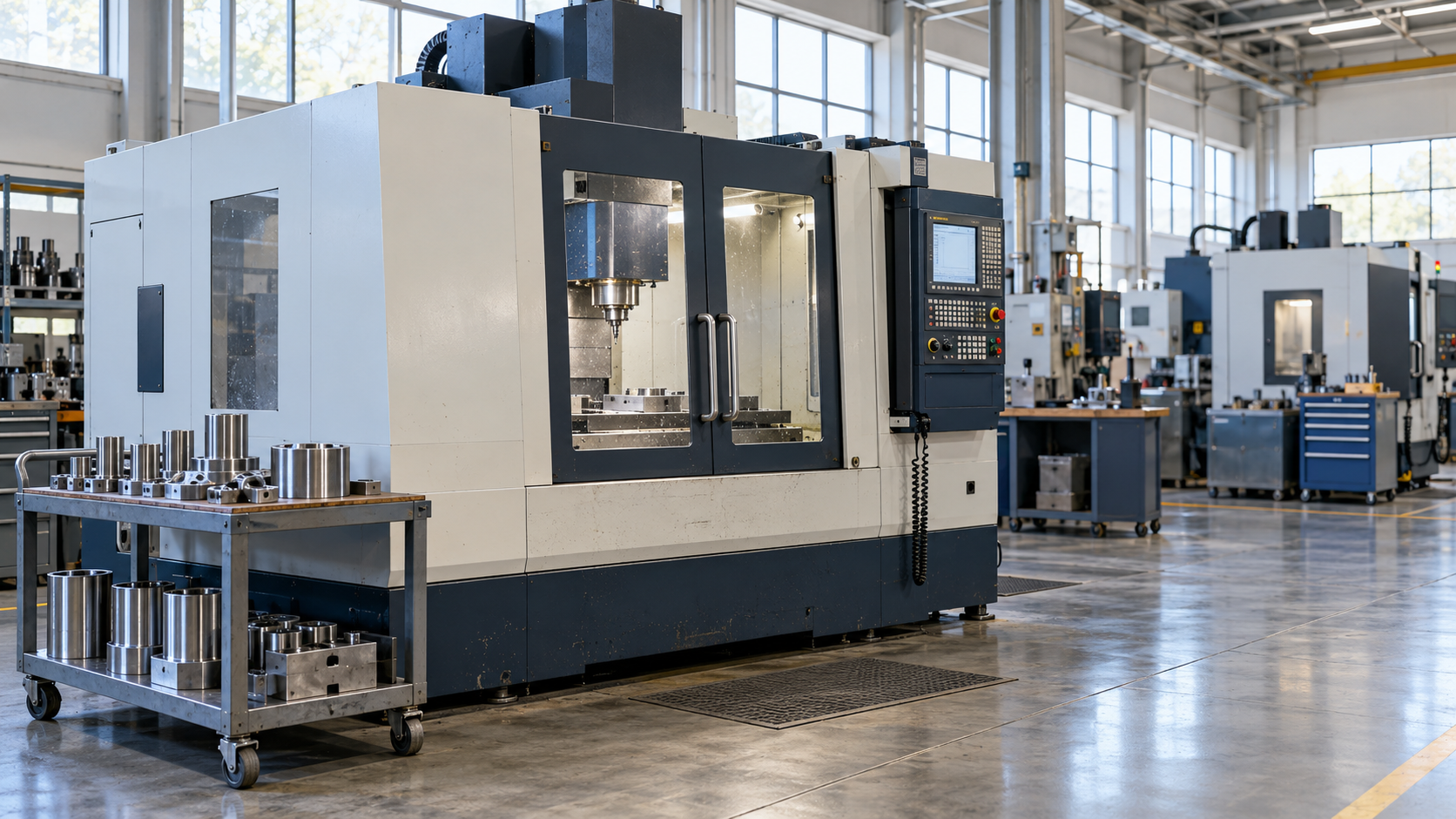
A used machine can add capacity without the price of a new one. The financing decision still depends on what that specific asset can do, how long it can keep doing it and how much cash the business must commit before it produces anything.
For an established manufacturer, used equipment financing should start with the purchase itself. A favorable payment cannot compensate for unreliable output, unavailable parts or a major overhaul that arrives halfway through repayment.
Start with the work the machine needs to perform
Define the production requirement before comparing financing offers. Required tolerances, throughput, tooling, utilities and compatibility with existing processes determine whether a machine is useful to your business. A model that served its previous owner well may be a poor fit for your next contract.
Arrange an appropriate technical inspection and, where practical, see the equipment operate under conditions relevant to your work. Ask about operating hours, service history, major component replacements and known faults. Confirm whether parts, software licenses and service support will be available after the sale.
These checks serve a different purpose from a valuation. An appraisal can inform what an asset is worth; a technical assessment helps establish whether it can do the job. Ask the financing provider which assessments it requires and who it will accept before commissioning them.
Separate the asking price from the financing value
The seller's price is one input. The amount a provider is prepared to finance also depends on its assessment of the asset and the business's ability to repay. A higher invoice does not, by itself, support a larger loan.
In its bank leasing guidance, the Office of the Comptroller of the Currency describes valuation methods that include appraisals, engineering estimates and prices for comparable used assets. It also discusses condition and obsolescence. Those are useful considerations when evaluating a used-equipment proposal, although individual providers apply their own credit policies. See the OCC's Lease Financing handbook.
Ask what value supports the proposal, what costs are included and how much cash you must contribute. A financing indication based on an equipment description may change once the provider reviews the identified machine, inspection results or purchase agreement.
If you are evaluating a particular purchase, discuss your used-equipment financing need with Sussex Capital. Share the approximate amount, the asset and the intended use so we can identify structures worth exploring before you commit to the seller.
Match repayment to remaining productive life
Build year alone does not tell you how much useful service remains. Usage, maintenance, rebuilds and technical obsolescence can produce different outlooks for two machines of the same age.
Consider the period during which you expect reliable, economically useful production. Then compare that period with the proposed repayment schedule and any final payment. If a substantial balance could remain when the machine needs replacing, the business may have to support old debt and a new equipment purchase at the same time.
For example, an established machine shop considering a used machining center should assess whether an anticipated control-system replacement could interrupt production or make the investment uneconomic. Treat the expected repair cost and lost production as part of the decision, even if the purchase price looks attractive. This is an illustrative scenario, not a Sussex client transaction.
There is no single age cutoff or repayment term to assume across all providers. Get the proposed terms for the actual asset. If a lease is under consideration, also review the purchase option and return obligations discussed in our equipment loan versus lease guide.
Compare equipment financing with a broader project loan
A dedicated equipment facility may suit a defined machine purchase. A conventional business term loan may be worth exploring when the investment involves a wider operational change. Compare the asset security, payment schedule and business cash flow required by each proposal; neither structure is automatically better because the machine is used.
SBA financing can also be relevant where the business and transaction qualify. The SBA's 7(a) program lists equipment purchase and installation, working capital and multiple-purpose loans among its permitted uses. That does not establish eligibility for every used asset or every expense in your project.
For a qualifying fixed-asset project, note a specific distinction: SBA 504 guidance requires machinery and equipment to have at least ten years of remaining useful life. The program does not fund working capital. That is a 504 requirement, not a universal rule for used equipment financing. The participating lender and Certified Development Company assess the proposed project.
Confirm the purchase and funding sequence
Before paying a deposit or making a binding bid, ask whether the provider can accommodate the seller, the specific asset and the payment deadline. A dealer sale, private-party purchase and auction may present different documentation and payment arrangements.
Clarify how ownership and any existing liens will be checked, who receives the proceeds and what must happen before funds are released. Avoid assuming that paying for a machine first means the same financing will reimburse the business later.
Keep the cash needed to move the asset into production visible. Freight, rigging, installation, repairs and downtime can erode the apparent savings from buying used. Our guide to equipment financing and soft costs covers how to separate those expenses and ask what a provider will finance.
Bring the investment decision to Sussex Capital
Sussex Capital is a commercial finance brokerage and private credit intermediary for established U.S. businesses. We help identify potential structures, organize relevant business and equipment information, and coordinate review with capital providers. Each provider makes its own underwriting and approval decisions.
Explore our financing programs, or start an application for your equipment purchase. You can begin with the approximate financing amount and what the equipment will enable your business to do. You do not need every inspection, quote or financial record assembled before contacting us.
Sources & further reading
Put your financing plans into motion
Tell Sussex Capital about your established business, how much capital you need, and what you want it to accomplish.
Start your applicationFinancing is subject to provider review, eligibility, and terms.